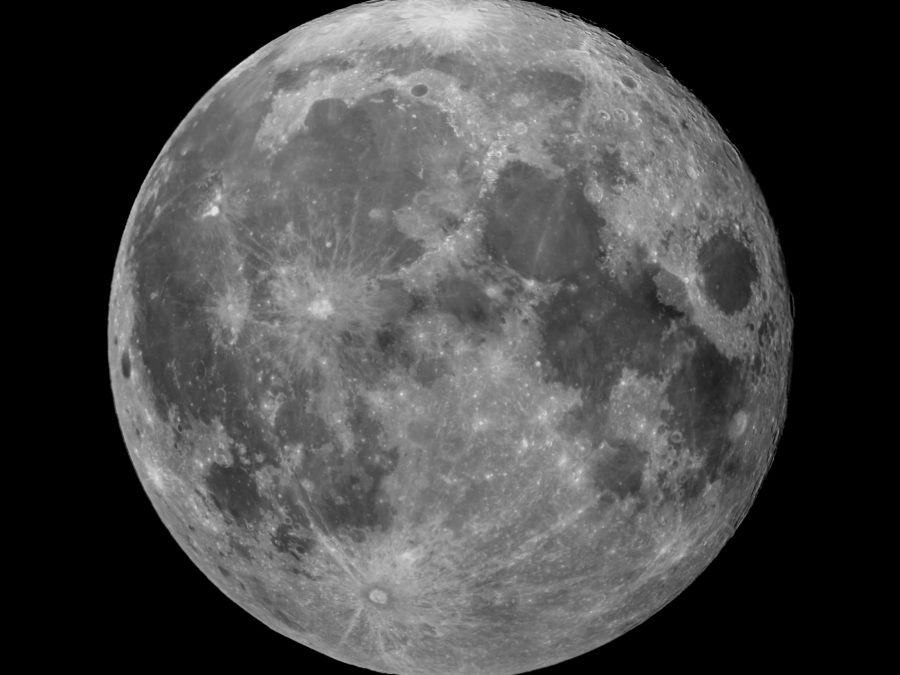
Nyx — Dark Sky Reserve & Bioluminescent Bay

Two rare skies, one remote coastline.

By night, the ridge above our lodge is one of the darkest measured skies on the continent — and the bay below it glows blue-green with every paddle stroke. Both are real, both are certified, and both are a short walk from your room.

Two Phenomena, One Coastline

What makes this stretch of coast rare

Most lodges have a view. We happen to sit at the overlap of two independently rare, independently certified natural phenomena — and we built the whole guest experience around actually seeing both properly.
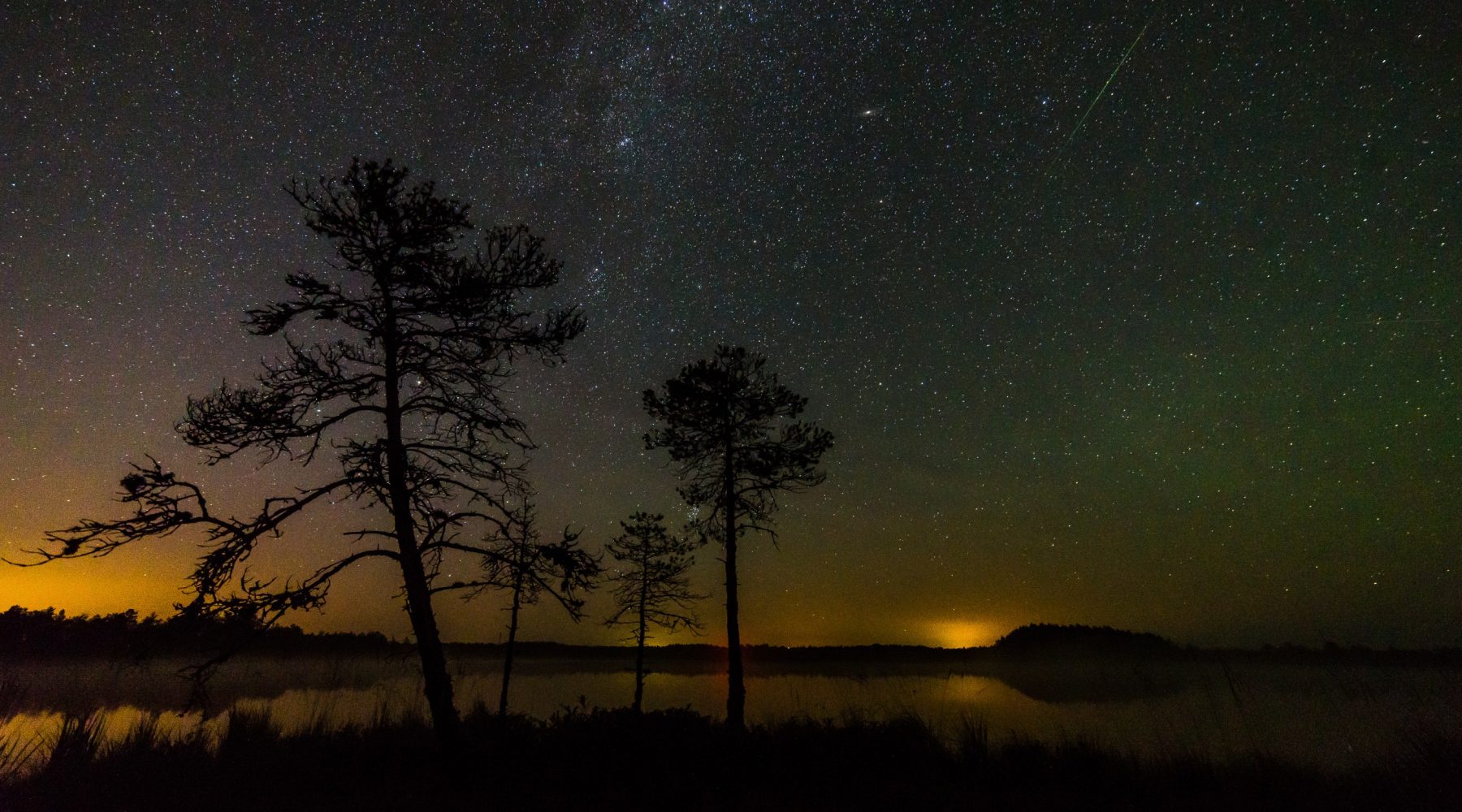
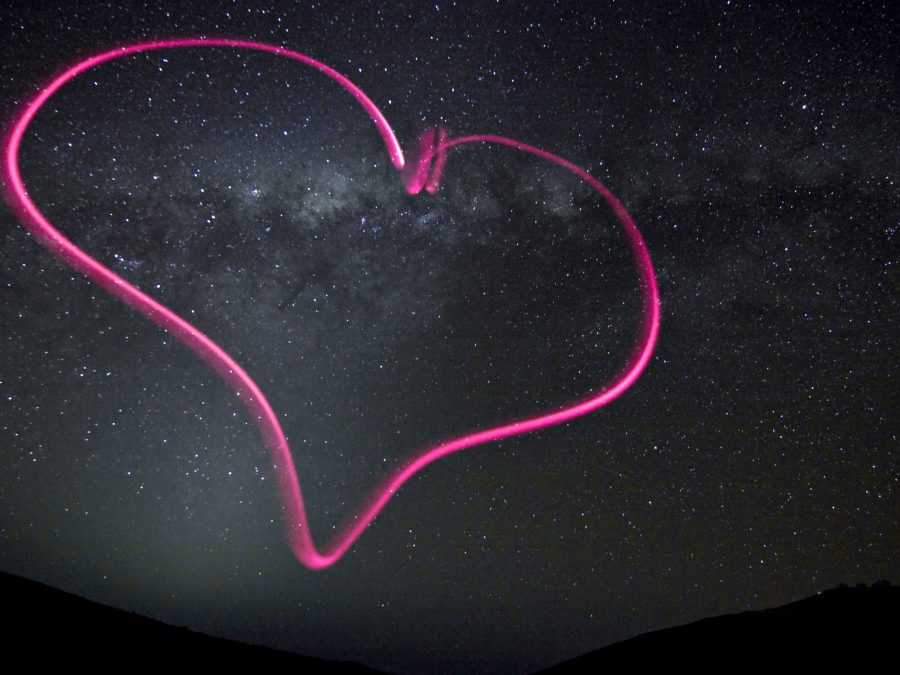
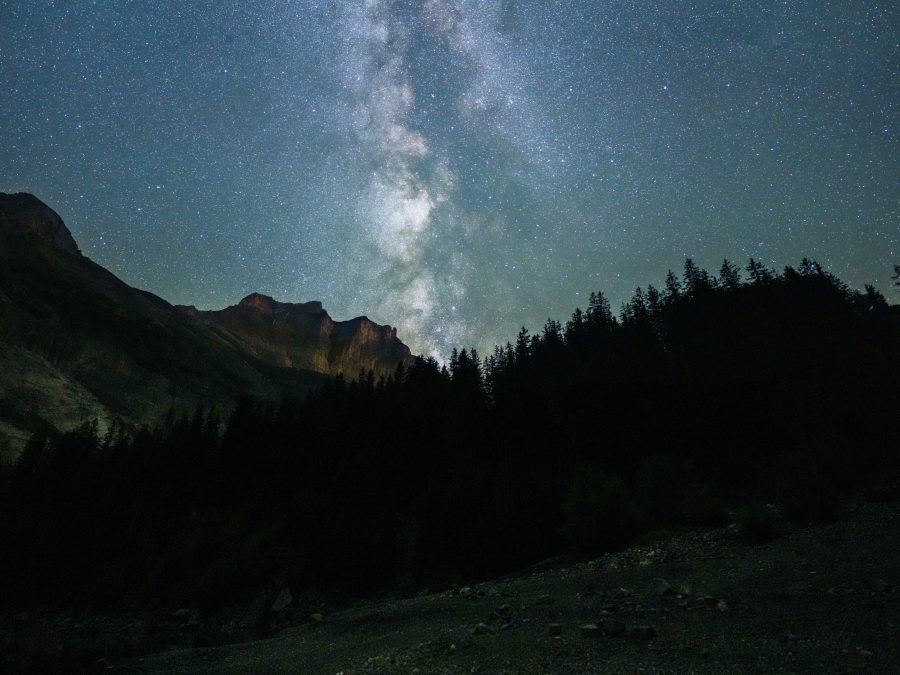
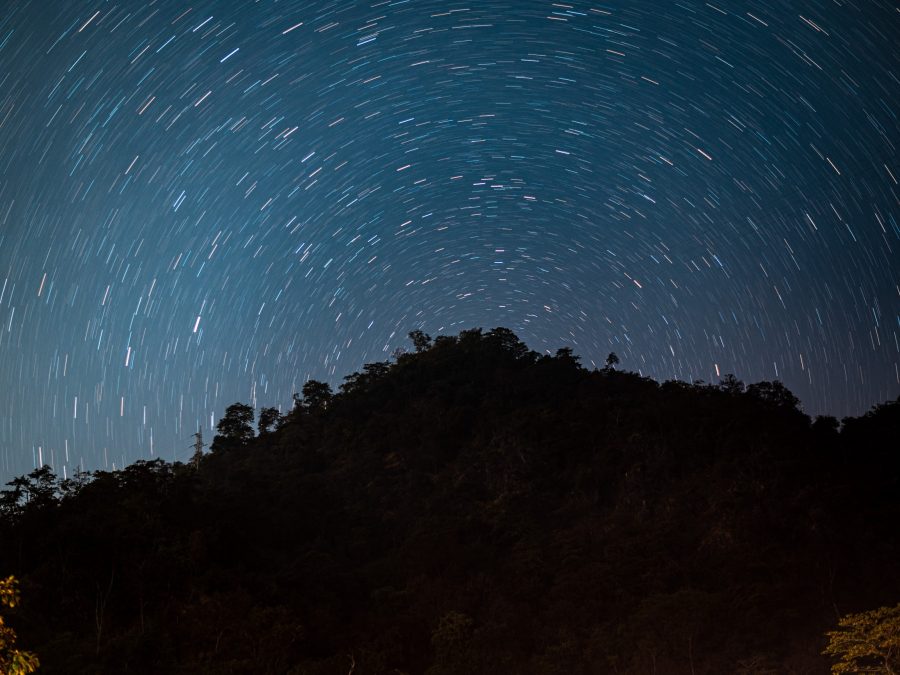
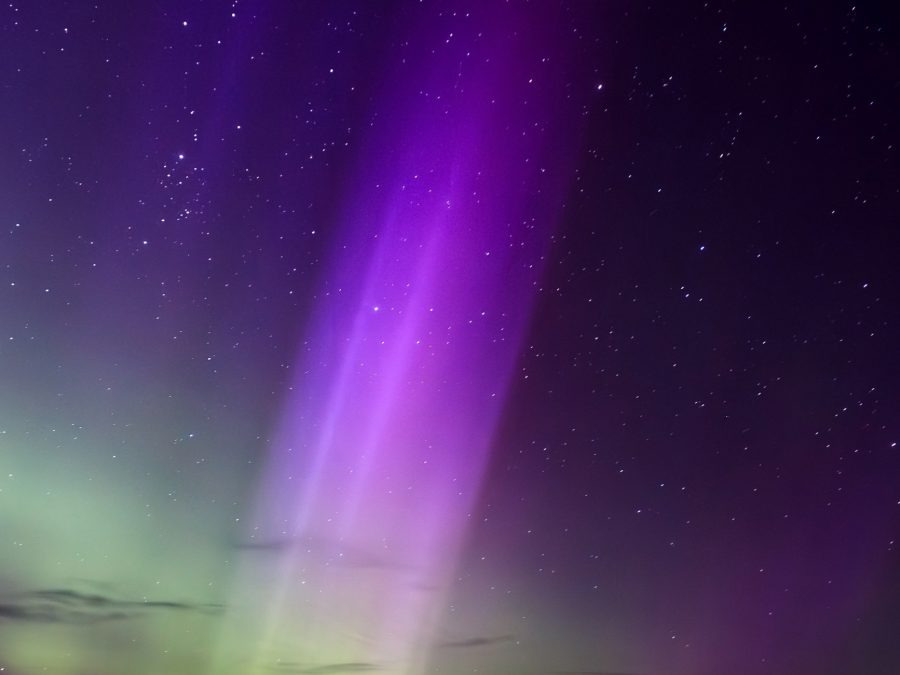
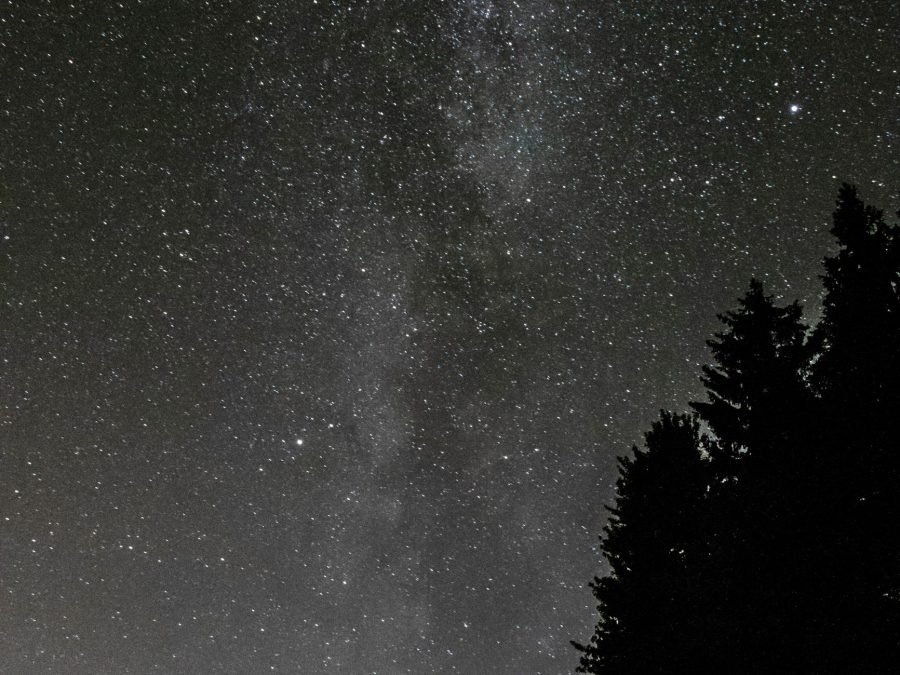
Wide view of the Milky Way over the Dark Sky Reserve

Above — The Dark Sky Reserve

A measured, certified dark sky

Our observation ridge is internationally certified against measured sky darkness, not just remoteness — consistently below 21.8 magnitudes per square arcsecond, deep into Bortle class 1–2. On a clear night the Milky Way's dust lanes are visible without a telescope at all.
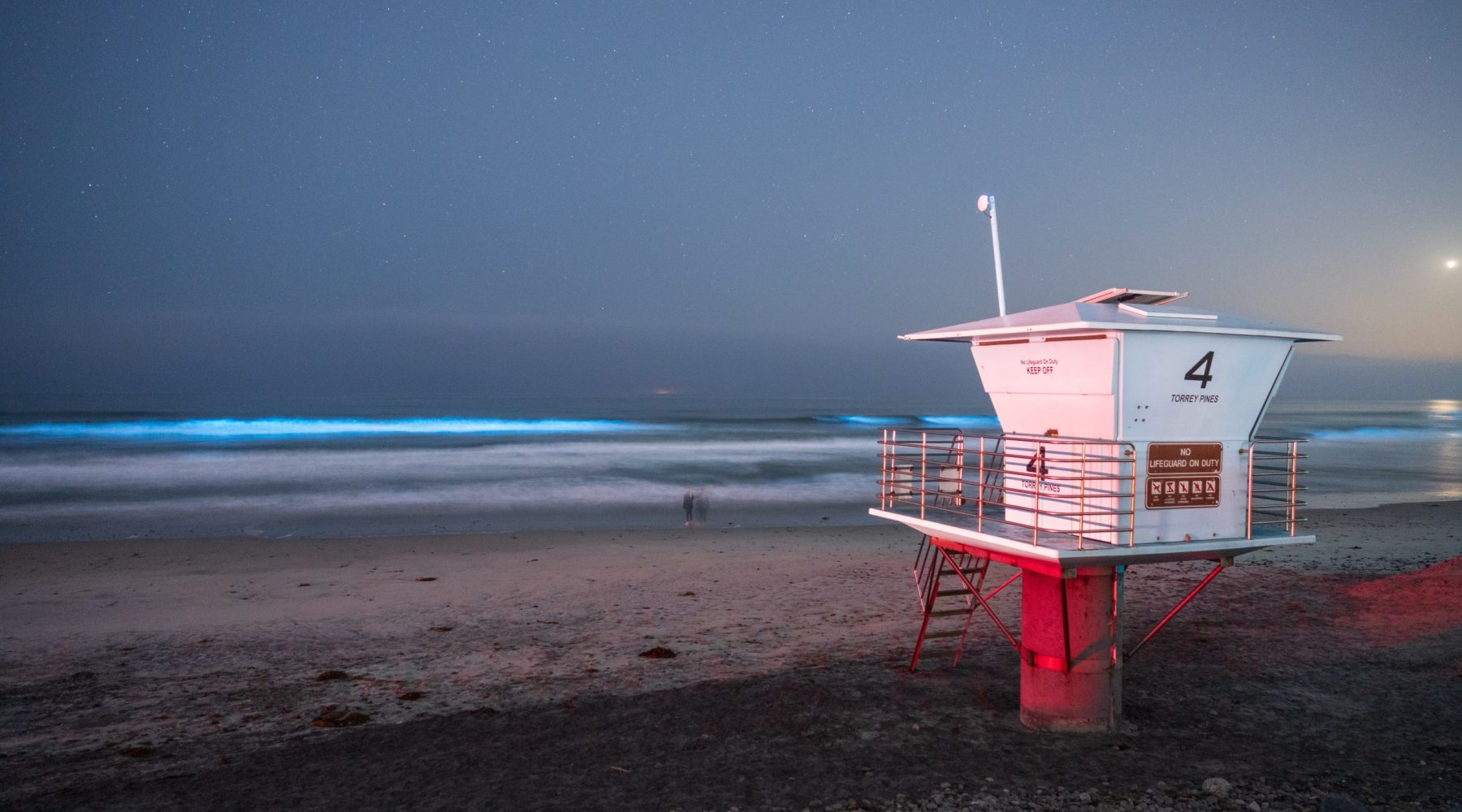
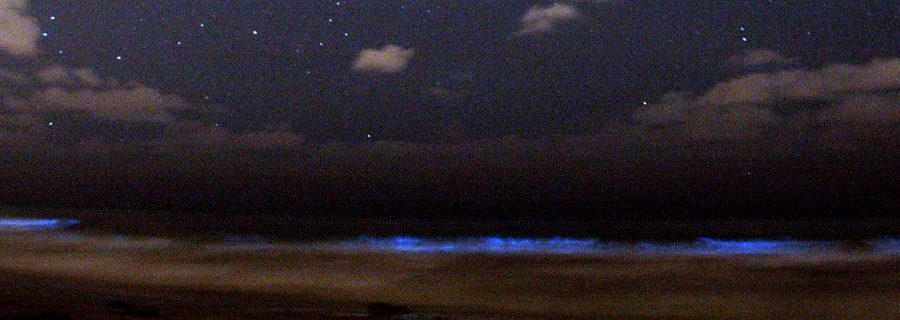
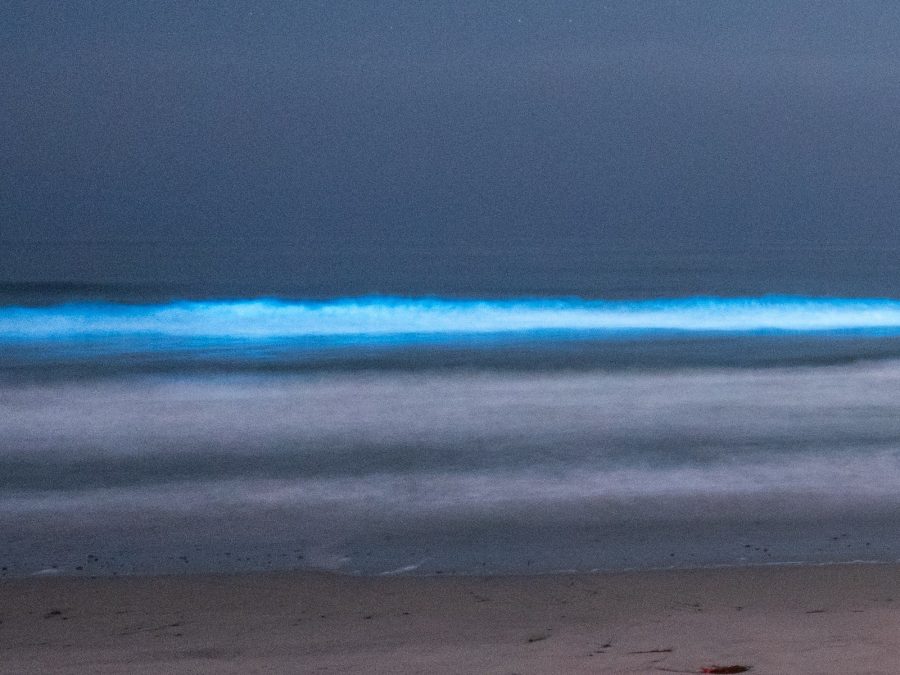
Wide view of the bioluminescent bay glowing at night

Below — The Bioluminescent Bay

A bay that glows when disturbed

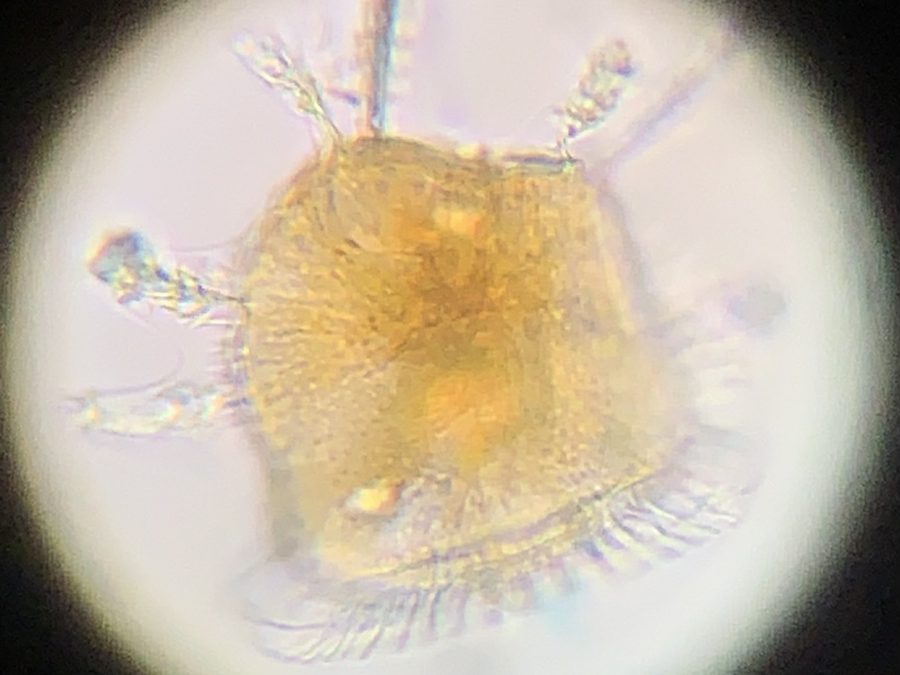
A resident population of bioluminescent dinoflagellates fills the tidal bay below the lodge. Every paddle stroke, every fish, every hand trailed through the water triggers a real chemical light reaction — not a reflection, an actual flash of blue-green light.
How It Actually Works

The science, plainly stated

A Sky Quality Meter reading taken on the observation lawn

What "dark sky certified" means

  1. Sky brightness is measured directly with a handheld Sky Quality Meter, in magnitudes per square arcsecond, across multiple clear moonless nights.
  2. Below 21.8 mag/arcsec². That reading puts our ridge in Bortle class 1–2 — the two darkest classes on the nine-step Bortle scale.
  3. Certification required a full outdoor lighting management plan: every fixture shielded, warm-toned, and on timers or motion sensors.
  4. We re-measure periodically. A single unshielded light nearby is enough to show up in the next reading.
Macro view of bioluminescent dinoflagellates flashing in disturbed water

What makes the water glow

  1. The glow is a real luciferin-luciferase chemical reaction — the same broad family fireflies use, evolved independently.
  2. The trigger is mechanical: motion opens ion channels in the cell, dropping internal pH and activating the light-producing enzyme.
  3. ~474 nanometers. Peak light is blue-green — also the wavelength that travels furthest through seawater.
  4. The bloom is strongest June through October, when warmer water supports the densest dinoflagellate population.

Guided Night Experiences

Six ways to spend a night here

View all experiences
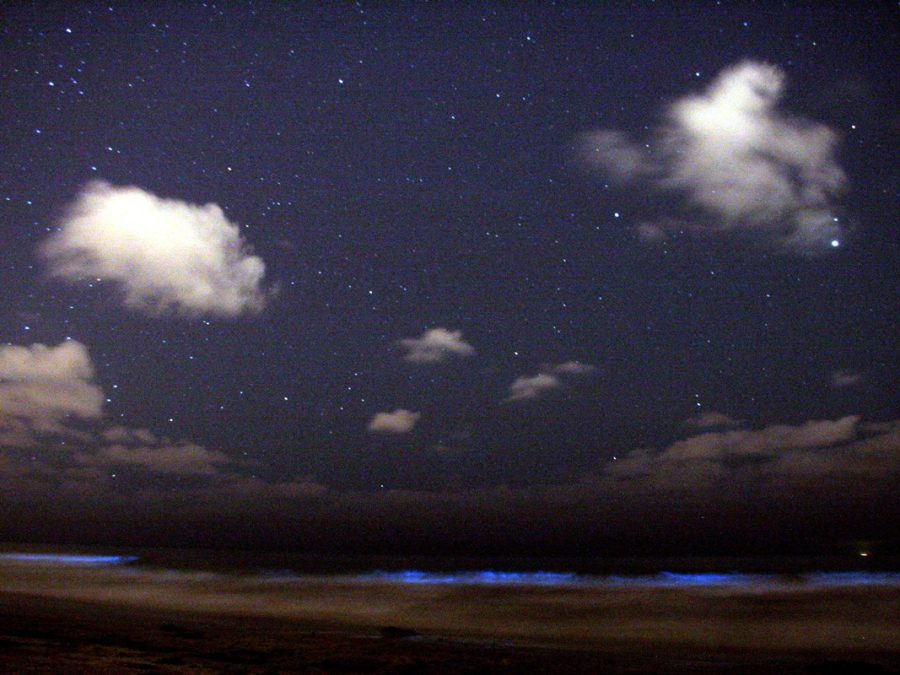
Glowing blue-green bioluminescent waves at night on a beach under a starry sky

Bioluminescence Night Paddle

2.5 hours, including dockside briefing Max 8 guests, 2 guides

A guided kayak paddle across the bay after full dark — every stroke, wake, and fish startled beneath you leaves…

Learn more →
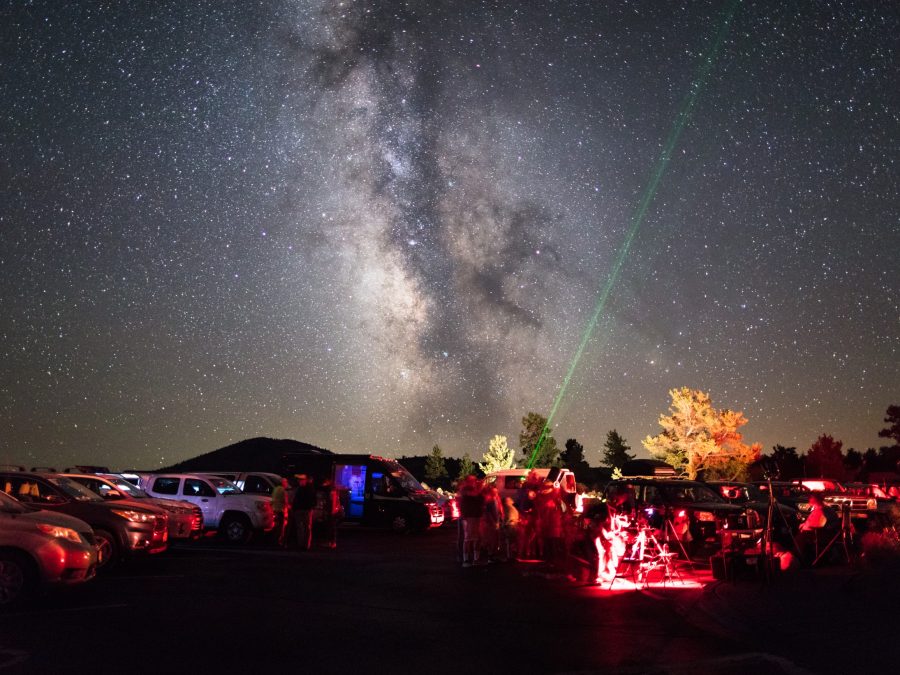
A park ranger points a green laser at the Milky Way for a crowd at a guided star party

Guided Dark Sky Stargazing

3 hours Max 12 guests

A staff-astronomer-led session on the observation lawn with two telescopes, reclining loungers, and a sky dark enough to see the…

Learn more →
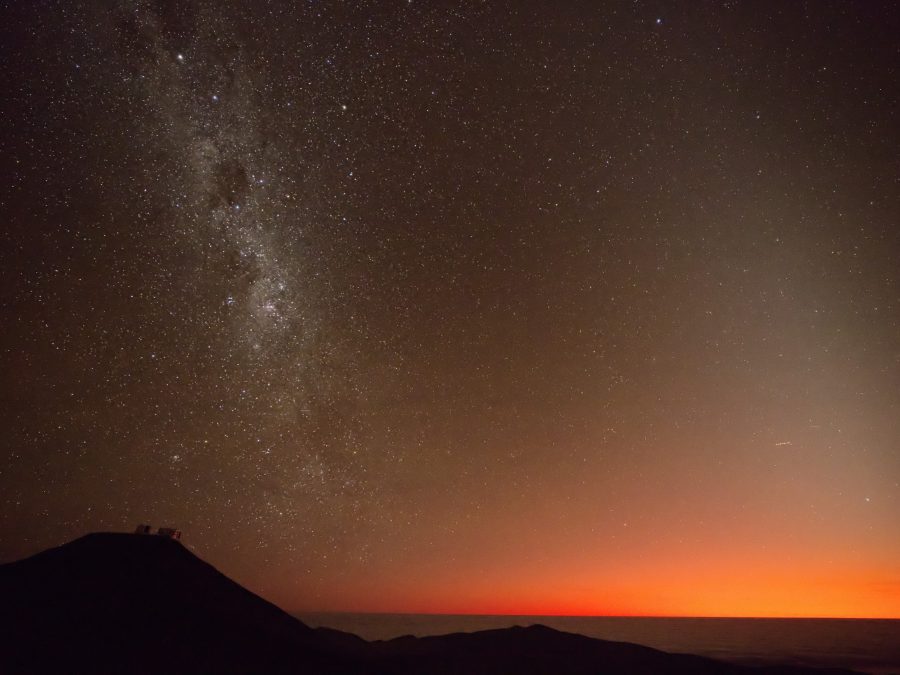
A dramatic fiery twilight sky with the Milky Way already visible over an observatory ridge

Sunset to Starlight Combined Night

5 hours (dinner seating through the closing paddle) Max 10 guests

The full arc of a Nyx night in one booking — rooftop dinner through sunset, a stargazing session on the…

Learn more →
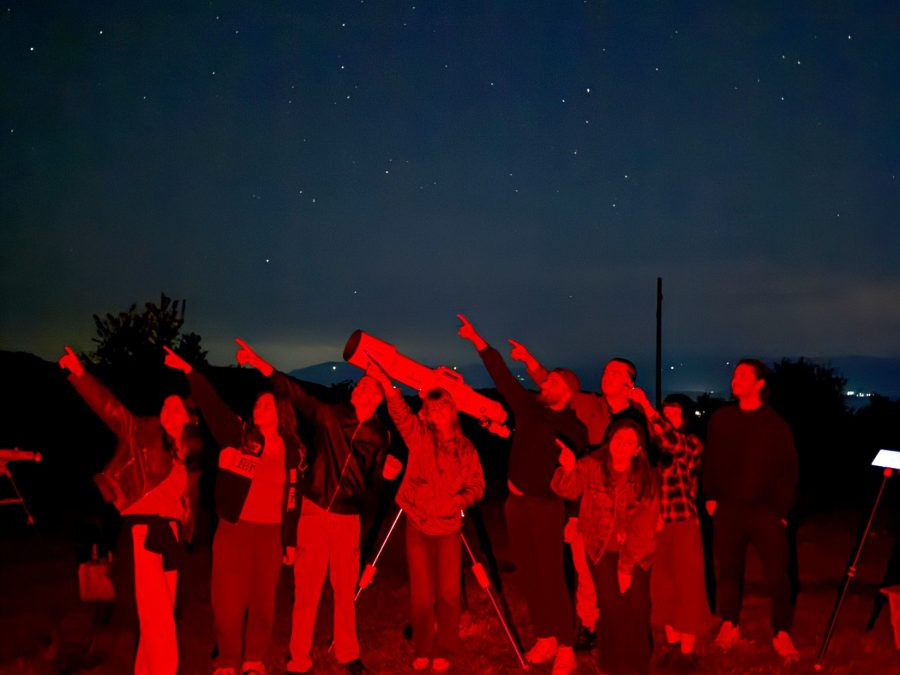
A group silhouetted in red light looking up at a star-filled night sky

New Moon Meteor Watch

4 hours (10pm–2am) Max 16 guests

A seasonal late-night special timed to the year's major meteor showers — reclining sky loungers on the lawn from 10pm…

Learn more →
The Milky Way core rising in a clear night sky, a real long-exposure astrophotograph

Private Astrophotography Session

4 hours, by arrangement — plus an optional next-morning RAW review 1–4 guests, private booking only

A private, small-group session for guests who want to actually shoot the sky — a tracking mount, rental camera bodies,…

Learn more →
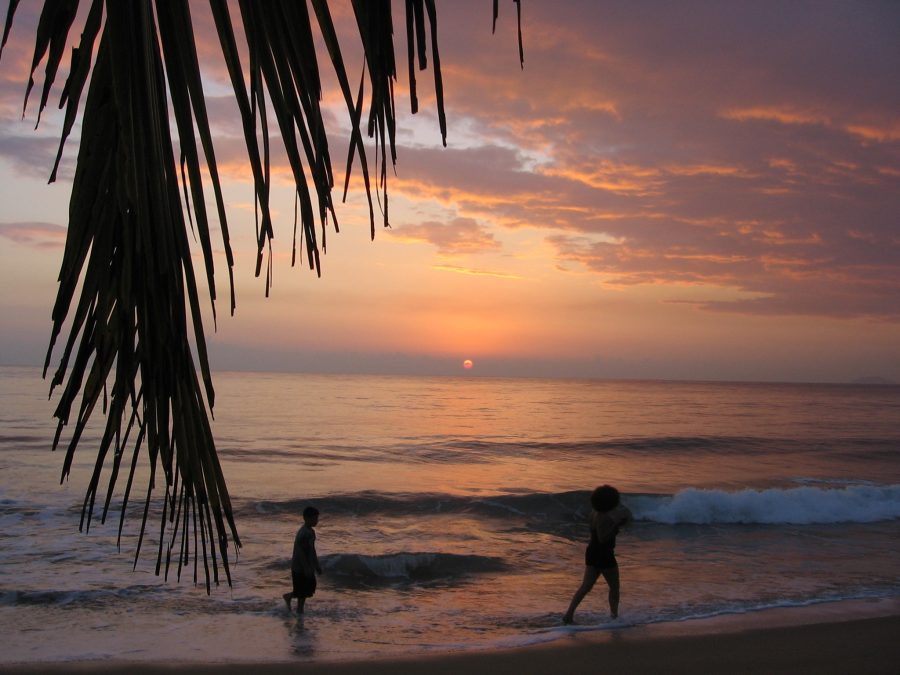
A woman and child walking in shallow waves on a beach at sunset

Family Twilight Bay Walk

1 hour Max 14 guests, ages 5 and up

A short, easy, wade-in walk along the bay's shallow edge at dusk — no kayak needed, no minimum age past…

Learn more →

Scroll for more →

Rooms & Cabins

Five rooms, five reasons to pick one

Every room here is built around either the sky or the water in some specific way — not just a name, an actual feature.

Rustic wood cabin bedroom interior with a window

Forest canopy, with a retractable roof panel directly over the bed

Skylight Cabin

A forest-canopy cabin with a motorized retractable roof panel over the bed — open it on a clear night and watch the sky from under the covers.

Capacity
2 guests
View
Forest canopy, with a retractable roof panel directly over the bed
View room
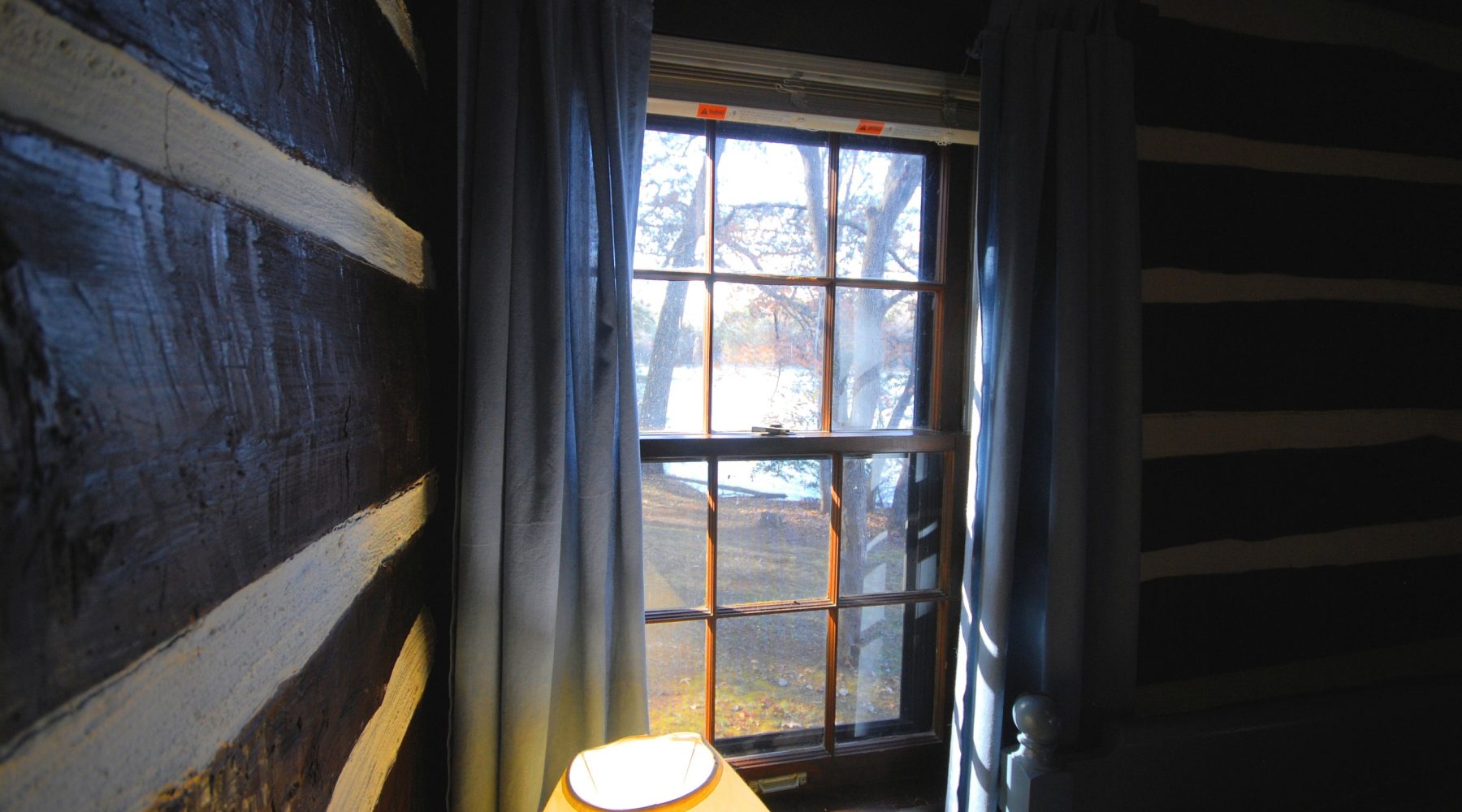
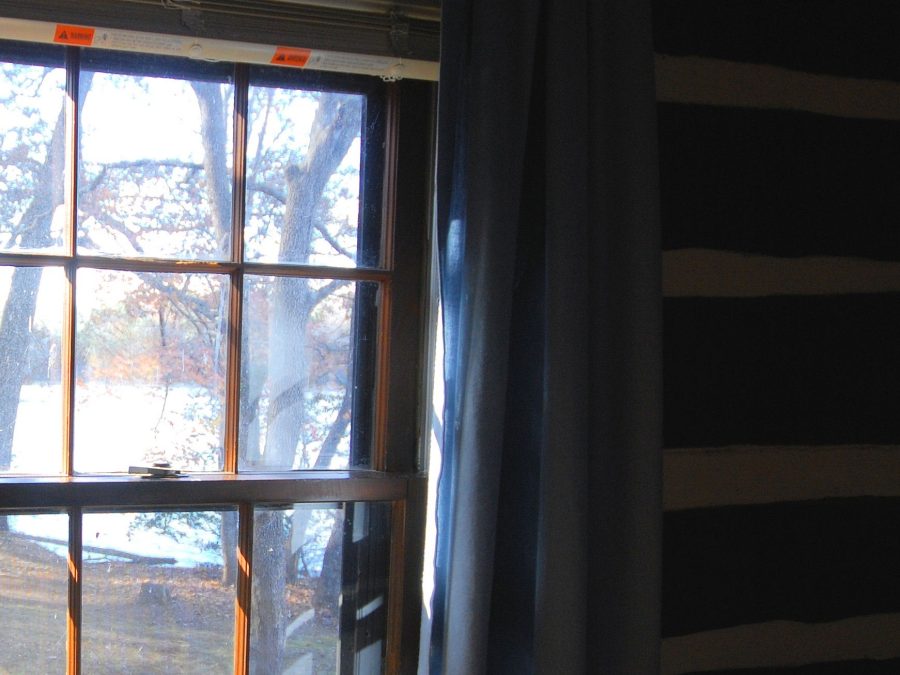
A cabin window looking out onto trees and water

Direct bay frontage with private water-access steps

Bayfront Suite

Floor-to-ceiling glass facing directly onto the bay, with private steps down to the water and an outdoor soaking tub angled at the horizon.

Capacity
2–3 guests
View
Direct bay frontage with private water-access steps
View room
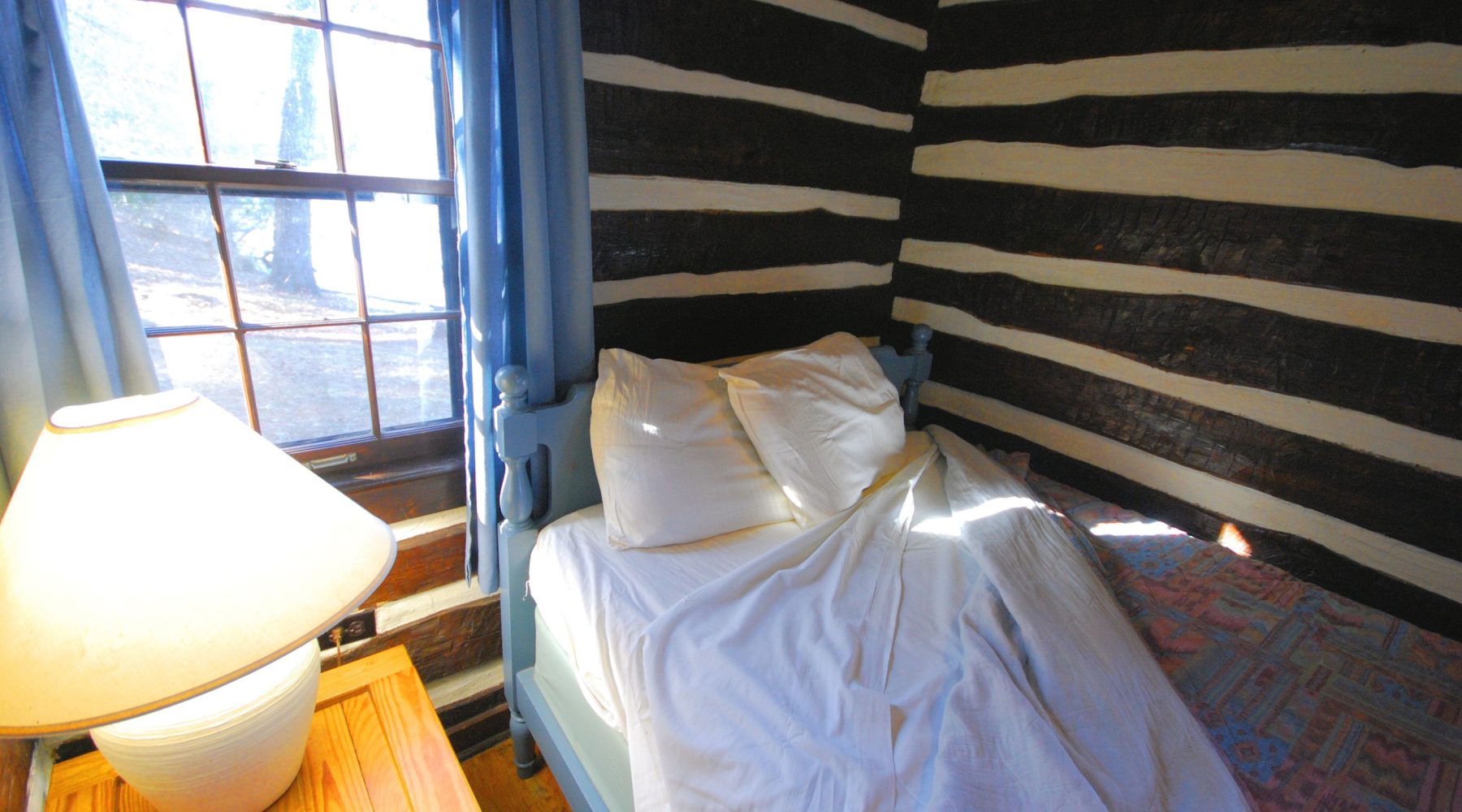
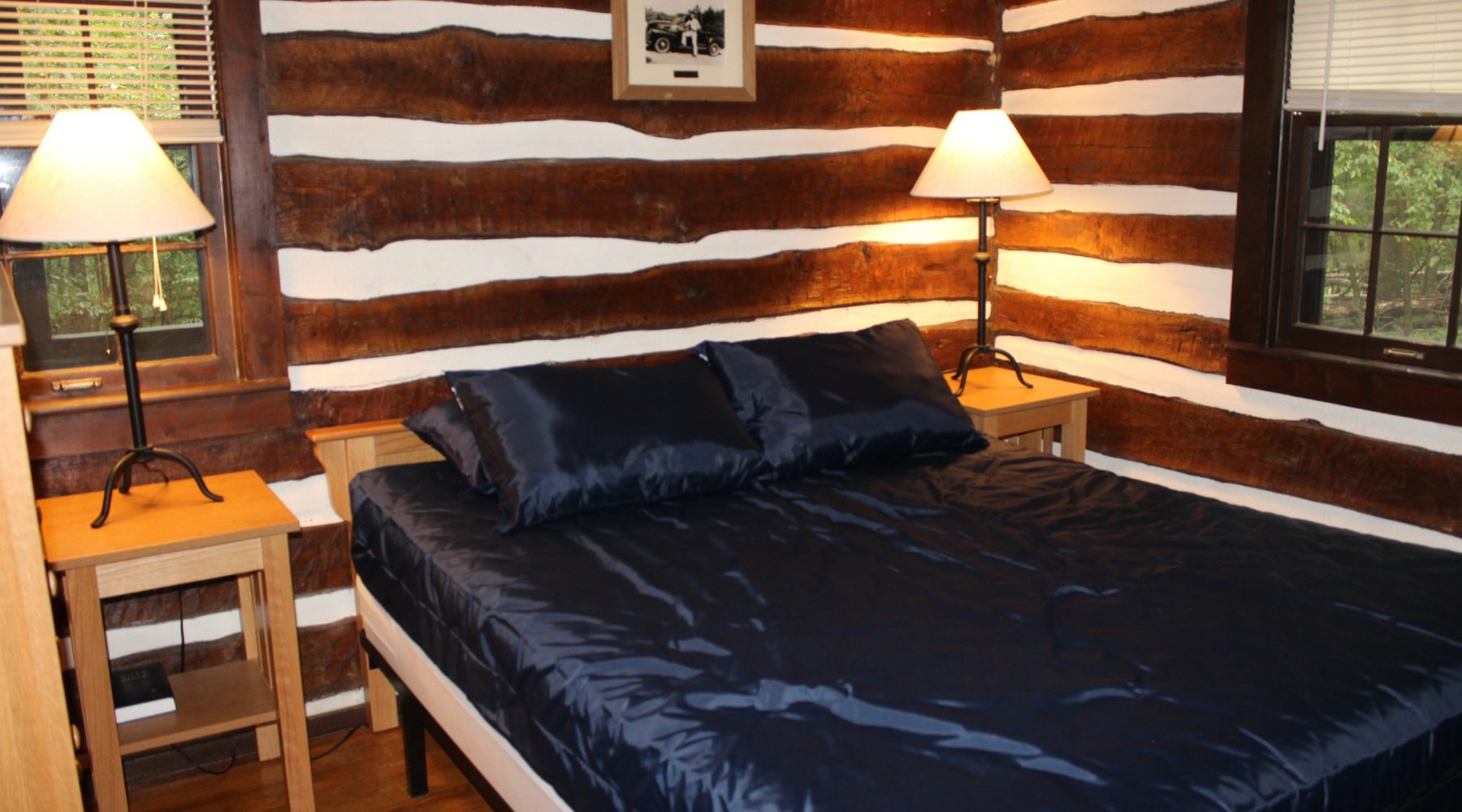
Cozy log cabin bedroom interior with a queen bed

Wooded hillside

Standard Dark Cabin

Our base cabin type, built around full external blackout shutters and a dark-adapted red-light path lighting system rather than a view.

Capacity
2 guests
View
Wooded hillside
View room
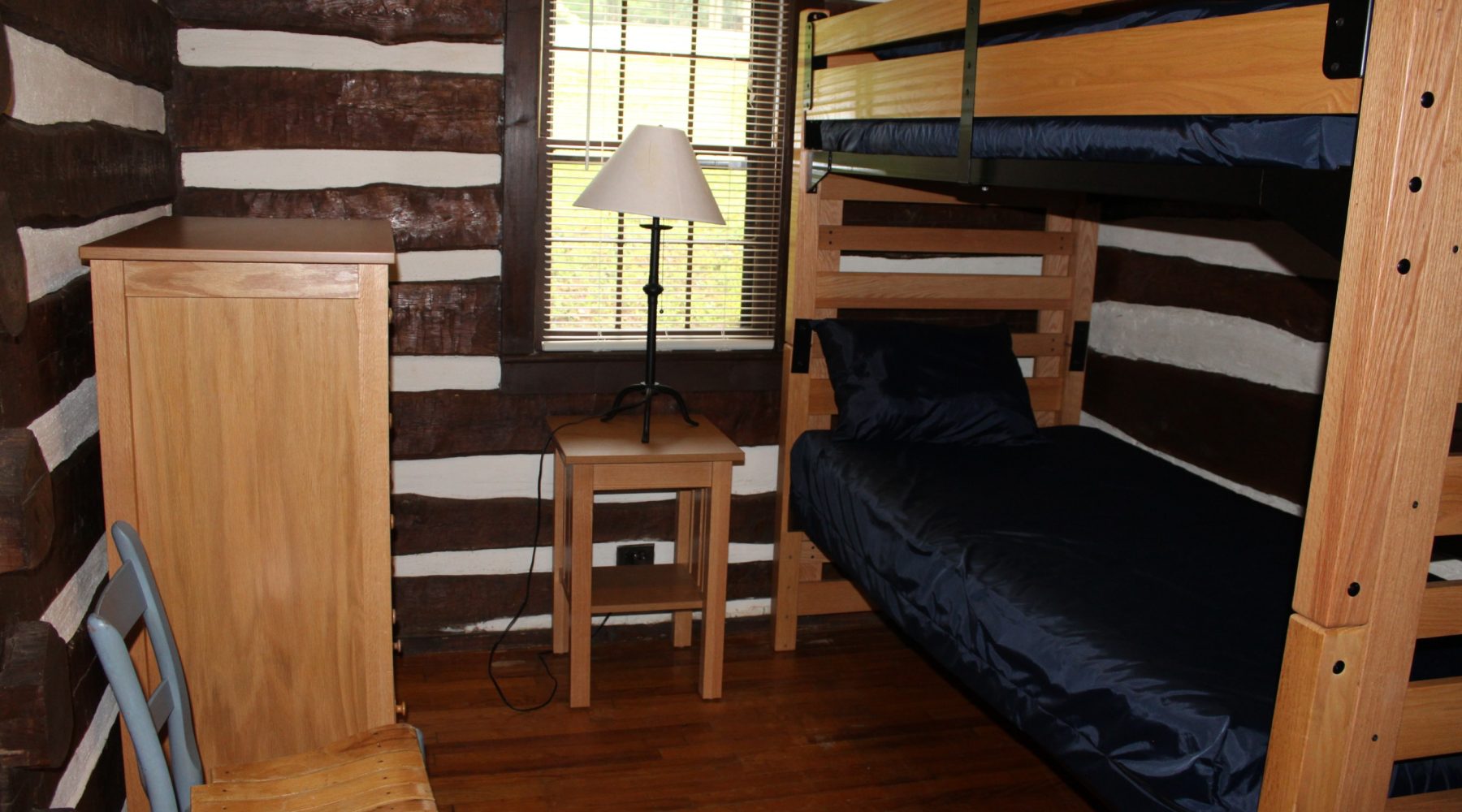
Log cabin bedroom with bunk beds

Partial bay view through tree cover

Family Lodge Room

Our largest standard room, with a raised bunk alcove for kids, a connecting-door option, and a shared porch — built for the Family Twilight Bay Walk crowd.

Capacity
4–5 guests
View
Partial bay view through tree cover
View room
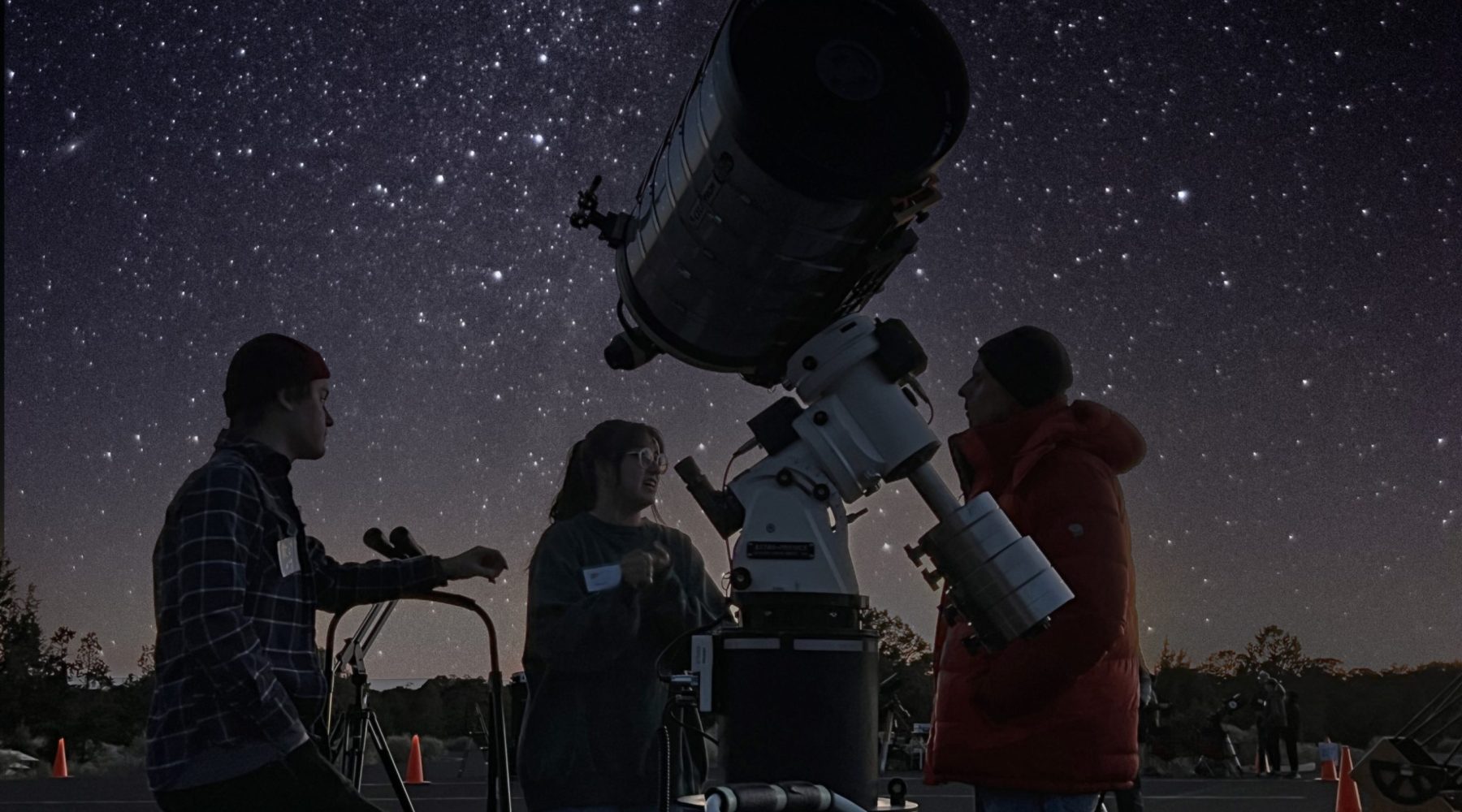
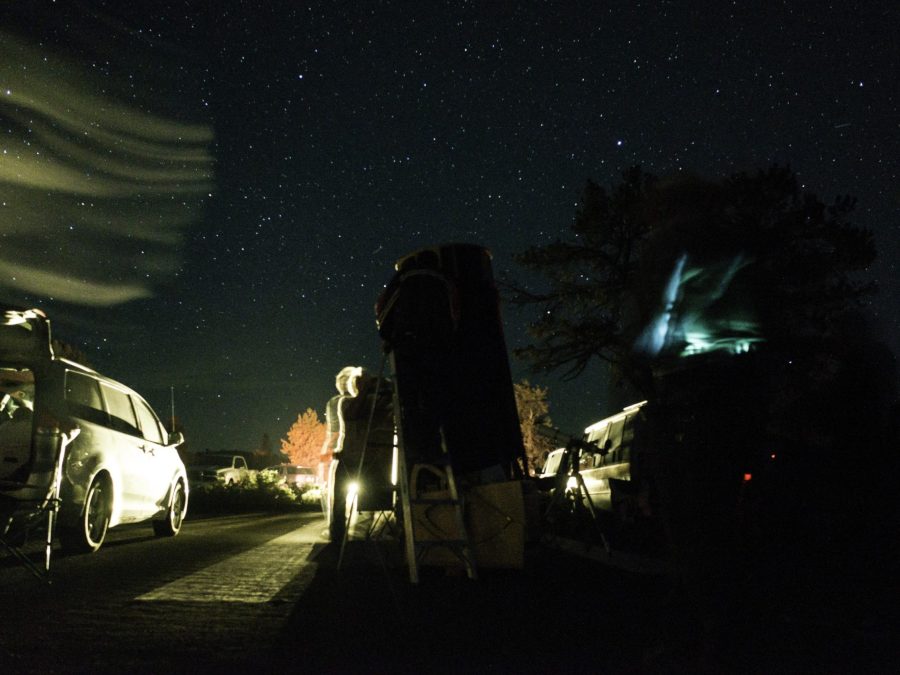
Telescope silhouetted against the Milky Way at a night star party

270-degree open horizon from a private rooftop deck

The Observatory Room

A private rooftop telescope deck with its own 6-inch reflector, a 270-degree horizon, and a heated floor for shoulder-season nights.

Capacity
2 guests
View
270-degree open horizon from a private rooftop deck
View room
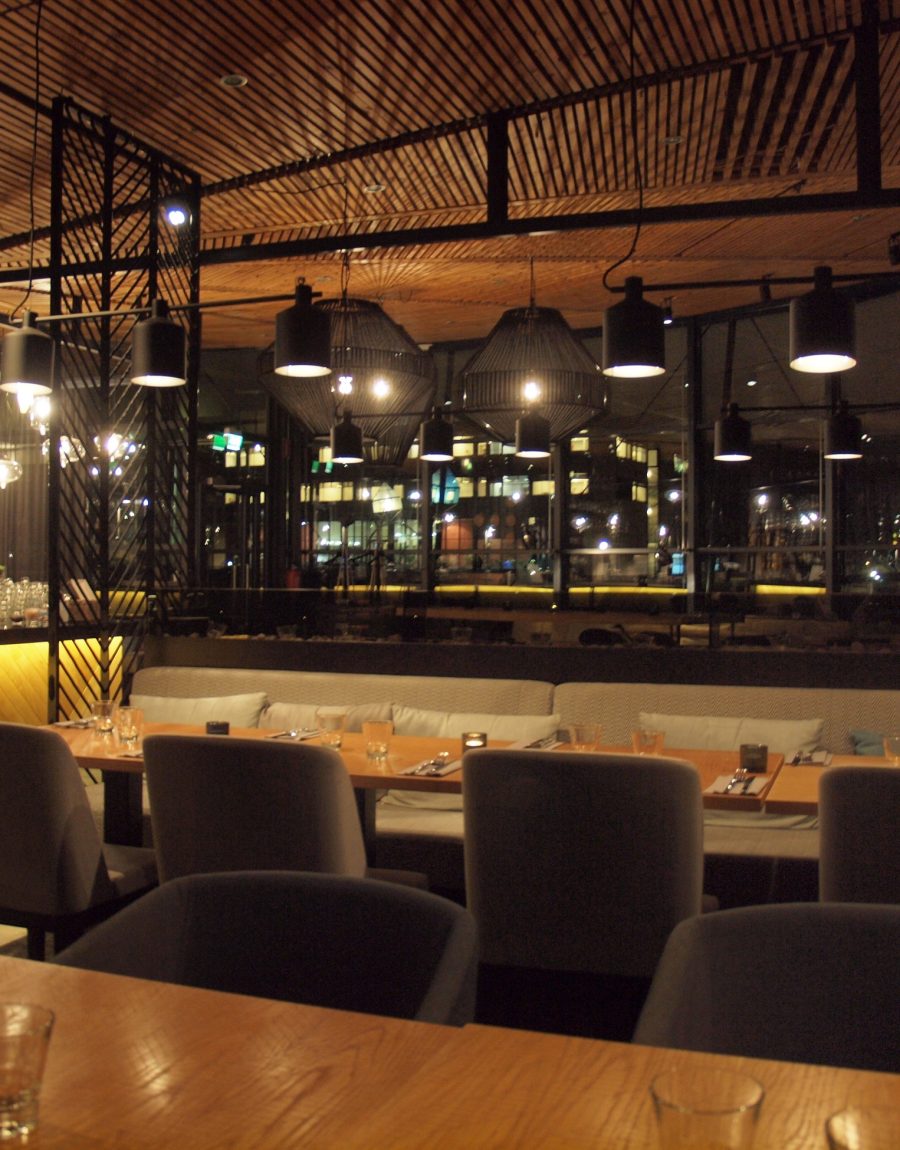
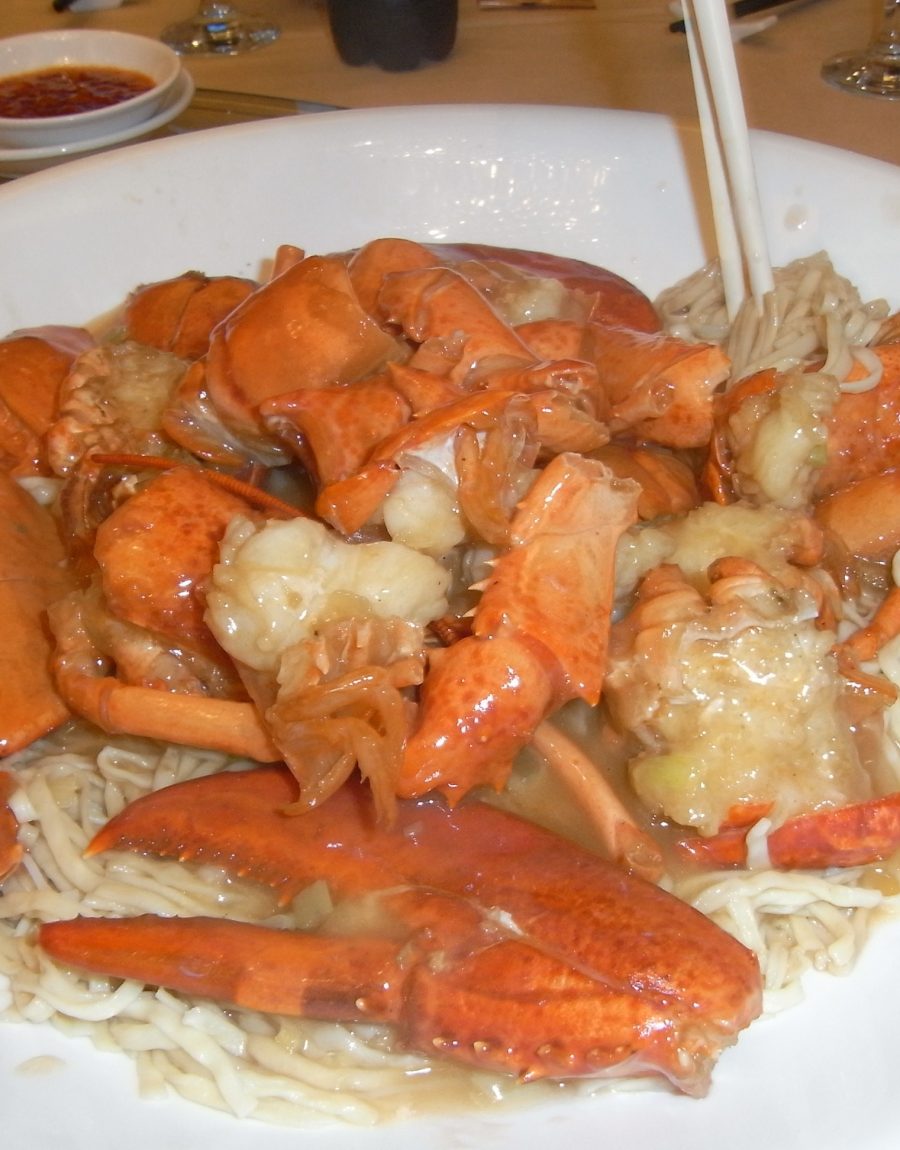
Warm-lit restaurant dining room interior in the evening A plated seafood dish with lobster and noodles

Dining

A short seasonal menu, timed to the sunset table

The restaurant runs one seasonal menu rather than an à la carte book, built around what's actually available locally, and seating on the roof terrace is timed weekly against the real sunset rather than a fixed hour — it shifts by nearly two hours across the season, and we'd rather move the table than serve dinner in daylight or after dark by accident.
  • Line-caught rockfish, seaweed butter $34
  • Foraged mushroom & spruce-tip risotto $28
  • Smoked mussels from the bay, sourdough $19
  • Wild berry tart, juniper cream $14

Your Guides

Naturalists and an astronomer, not tour operators

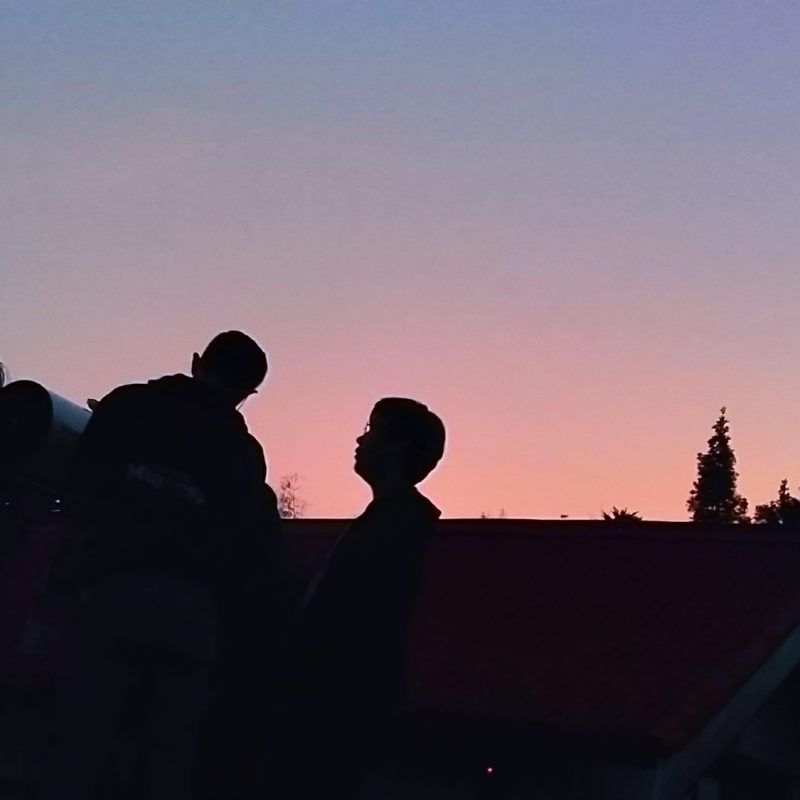
Silhouettes of a group setting up a portable telescope at dusk

Tamsin Okafor

Lead Marine Naturalist

Runs the bay's ongoing bloom-density monitoring and trains every new paddle guide. Marine biology background, six seasons on this bay specifically.

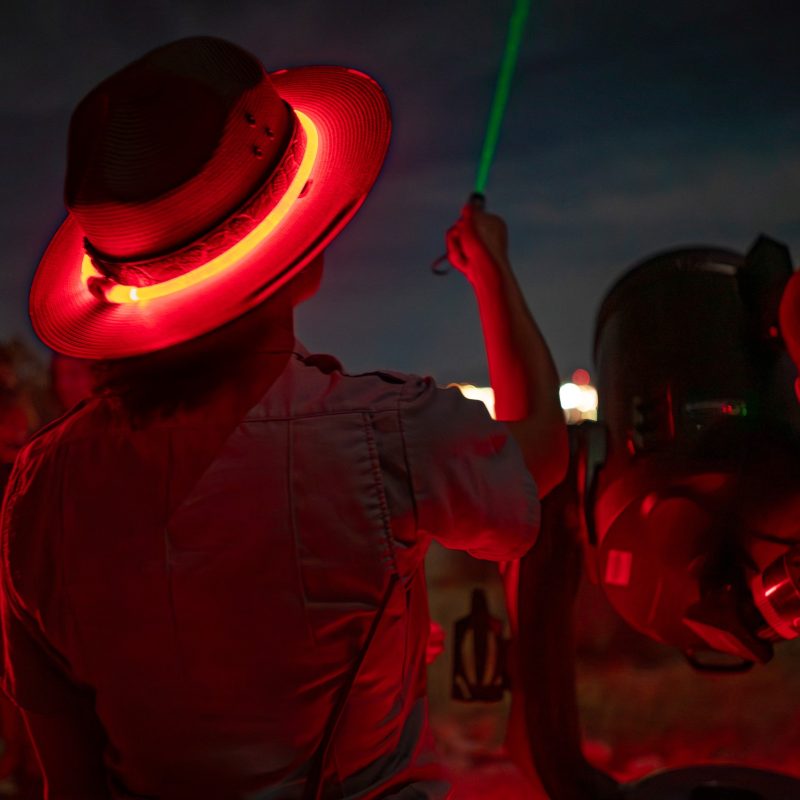
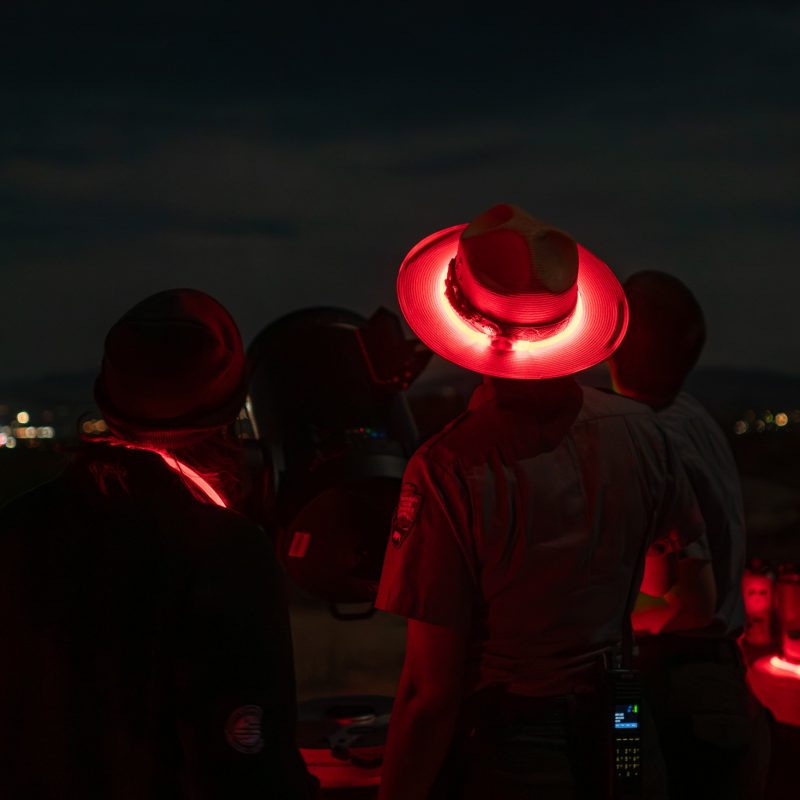
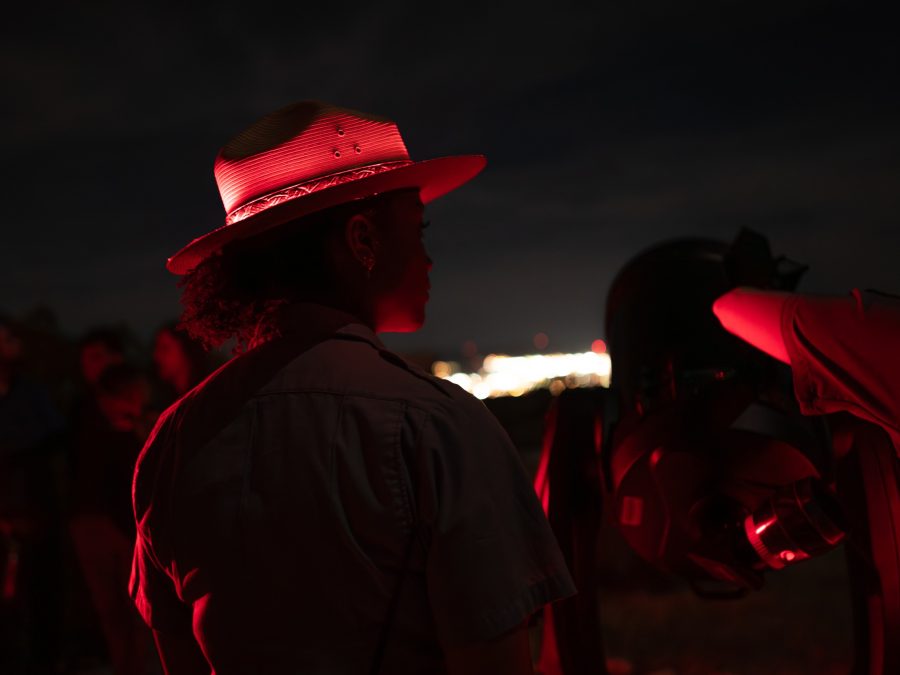
A ranger figure lit by red light adjusting a telescope at night, seen from the side

Devlin Marsh

Staff Astronomer

Maintains both lawn telescopes and the Observatory Room's private reflector, keeps the property's Sky Quality Meter readings, and leads the astrophotography sessions.

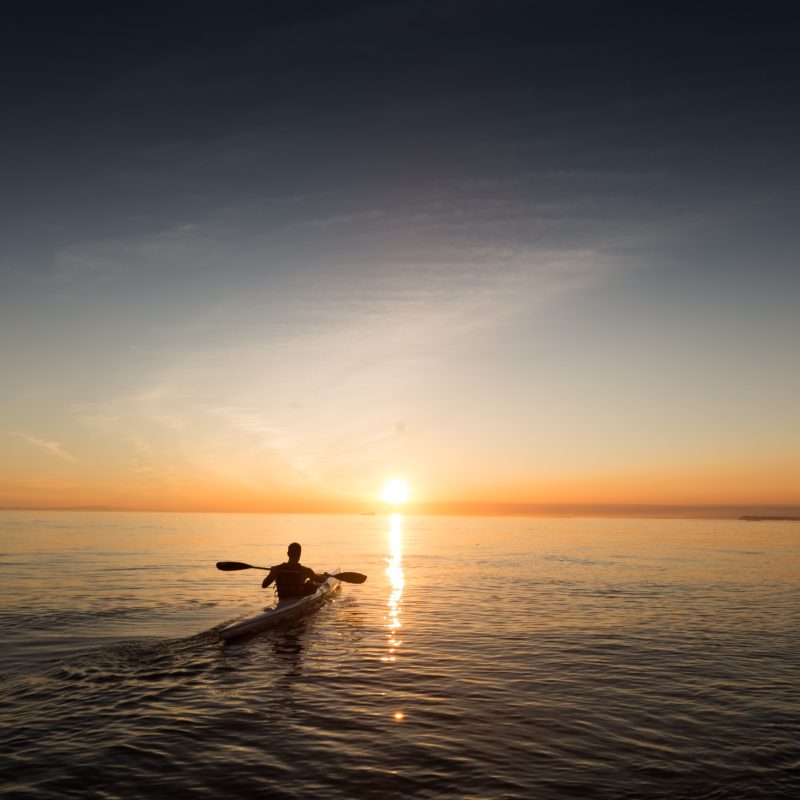
A kayaker silhouetted on calm water at sunset, seen from behind

Rosa Iversen

Night Paddle Guide

Leads most bioluminescence paddles and the family twilight walk. Certified sea kayak instructor, previously guided on two other bioluminescent bays before joining Nyx.

A group of figures silhouetted in red light at night, seen from behind

Iain Botros

Guide & Boat Captain

Runs the launch that meets the coastal ferry and handles most equipment and safety logistics across both the water and lawn programs.

Best Time to Visit

A year on the ridge and the bay

Dark-sky viewing and the bioluminescent bloom peak in different seasons — within any month, we always plan bookings around the new moon week, when both are at their most vivid.

Jan

Prime dark sky

Prime dark sky, cold water — bring layers for the lawn.

Feb

Prime dark sky

Driest air of the year; often our sharpest stargazing.

Mar

Prime dark sky

Dark-sky season closes out; bay water starting to warm.

Apr

Shoulder month — decent skies, bloom not yet strong.

May

Transitional; book the Combined Night for a bit of both.

Jun

Bloom season

Bloom season opens — paddle tours become consistently strong.

Jul

Bloom season

Peak warm-water bloom continues; shorter dark-sky windows.

Aug

Bloom season

Bloom season + Perseids meteor peak (mid-month).

Sep

Bloom season

The real sweet spot — strong bloom, nights lengthening.

Oct

Bloom season

Bloom tapering, dark-sky season reopening — best overlap.

Nov

Prime dark sky

Low humidity returns; strong for astrophotography.

Dec

Prime dark sky

Geminids meteor peak (mid-month); coldest water of the year.

Bioluminescence bloom season Prime dark-sky window

From Recent Guests

What people actually notice

“We've done bioluminescent tours in three countries. The guide actually explaining the mechanochemistry while we sat in the dark waiting for our eyes to adapt was a first — and then the water lit up like static every time a paddle touched it.”

Marisol T.
Marisol T.
Guest, Bioluminescence Night Paddle

“I've seen the Milky Way before. I had never seen it with the naked eye look like a photograph. The staff astronomer knew exactly what was overhead that specific night, not a memorized script.”

Devon R.
Devon R.
Guest, Guided Dark Sky Stargazing

“Our kids are 6 and 9. The bay walk was exactly the right amount of adventure for their age — and the Observatory Room telescope kept my husband occupied past midnight both nights on his own.”

Priya K.
Priya K.
Guest, Family Twilight Bay Walk

From the Journal

Notes from the ridge and the bay

Read the journal
A wooden footbridge boardwalk through a forest nature reserve

Getting Here

Remote by design.

Wrackwater Point Reserve Mile 14, Tideline Road Unorganized Coastal Borough

  • Nearest airport: Halkett Regional (58 km, seasonal charter)
  • By sea: lodge launch meets the coastal ferry at Cormorant Landing (arrange 48h ahead)
  • By road: last 11 km is unpaved single-track — 4WD recommended after rain
Book Your Stay