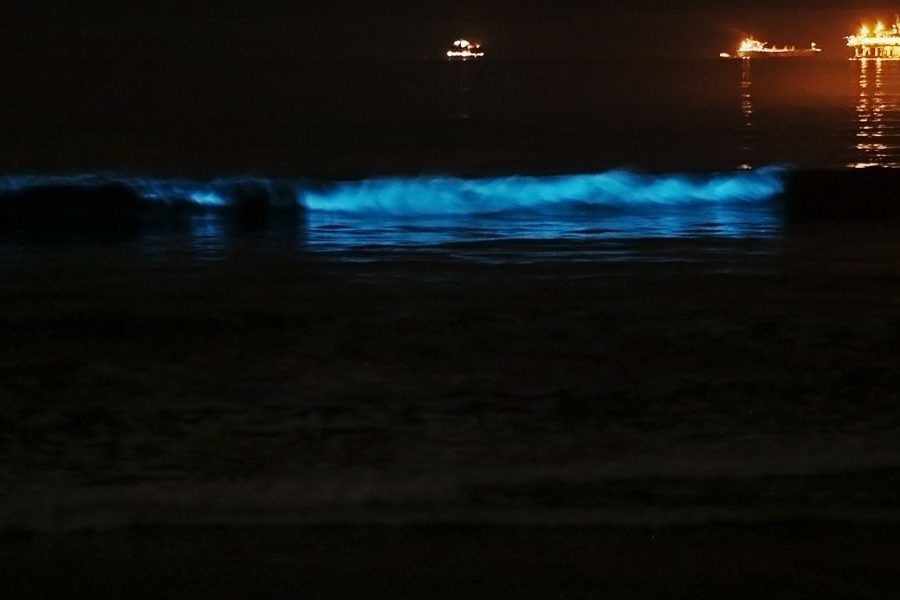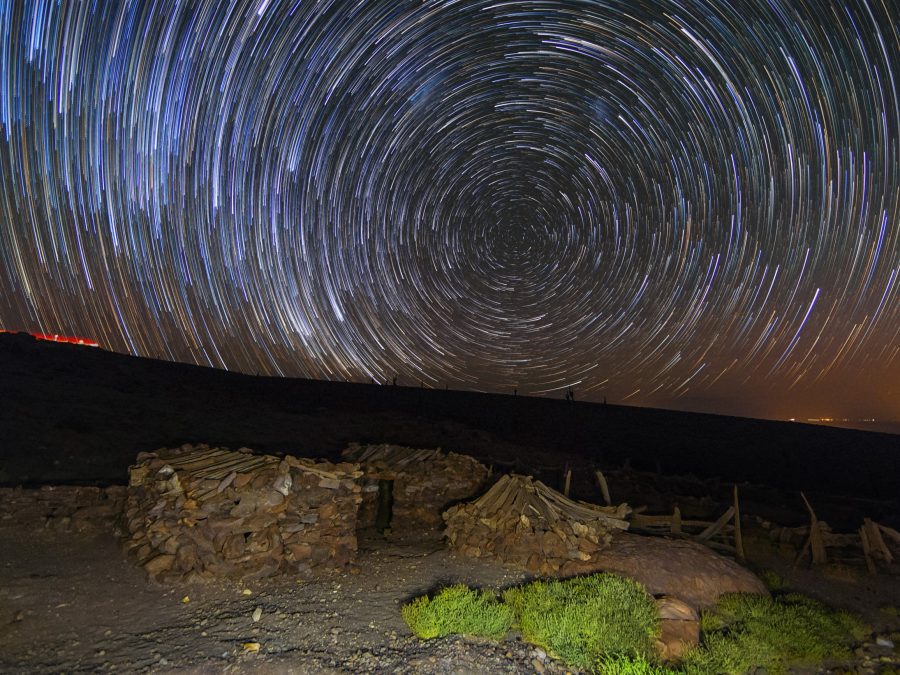
The honest answer is that the two phenomena’s ideal windows don’t fully overlap, and guests planning a trip around seeing both well in one visit should know that going in. Bioluminescence is strongest June through October, when the bay’s water is warmest and the dinoflagellate bloom is at its densest — cold water in winter genuinely thins the population, and the glow response is noticeably dimmer, not just harder to see. Dark-sky viewing, by contrast, is good essentially year-round but is measurably better October through March, when longer nights, lower humidity, and typically calmer air combine for both more dark hours and sharper seeing.
That gives a real overlap window in September and early October — warm enough water for a strong bloom, while the nights are already starting to lengthen and the air is starting to dry out heading into the better stargazing months. It’s the window we point most first-time guests toward if they only have one trip to plan and want a genuine shot at both at their best, rather than one strong and one merely adequate.
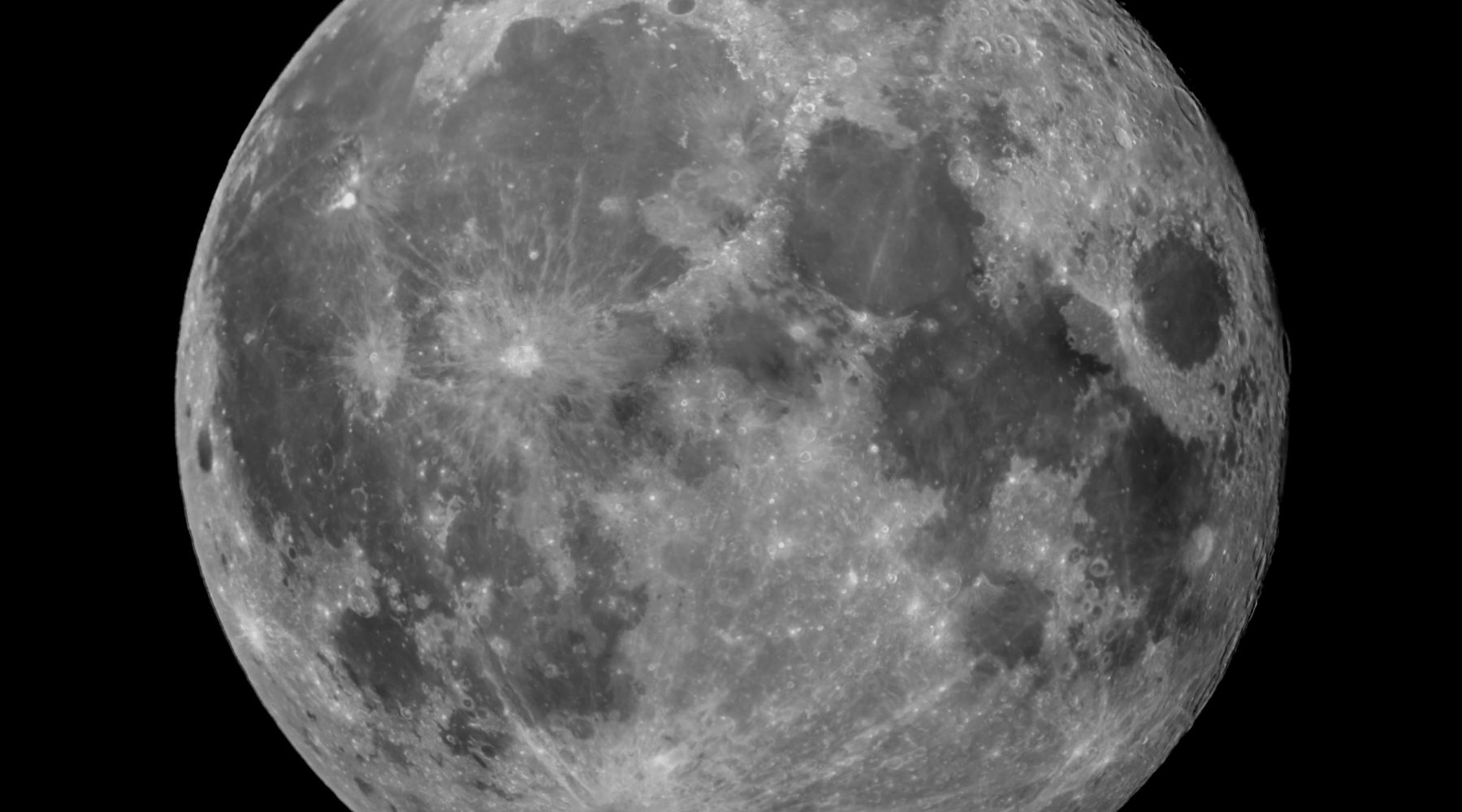
Within any given month, we also always plan around the new moon. A full or near-full moon washes out faint stars and the Milky Way’s dust lanes regardless of season, and moonlight on the water measurably dims how vivid the bioluminescence looks even though it doesn’t affect the biology — the new moon week is genuinely the best week to book almost any month of the year, not just a marketing suggestion.