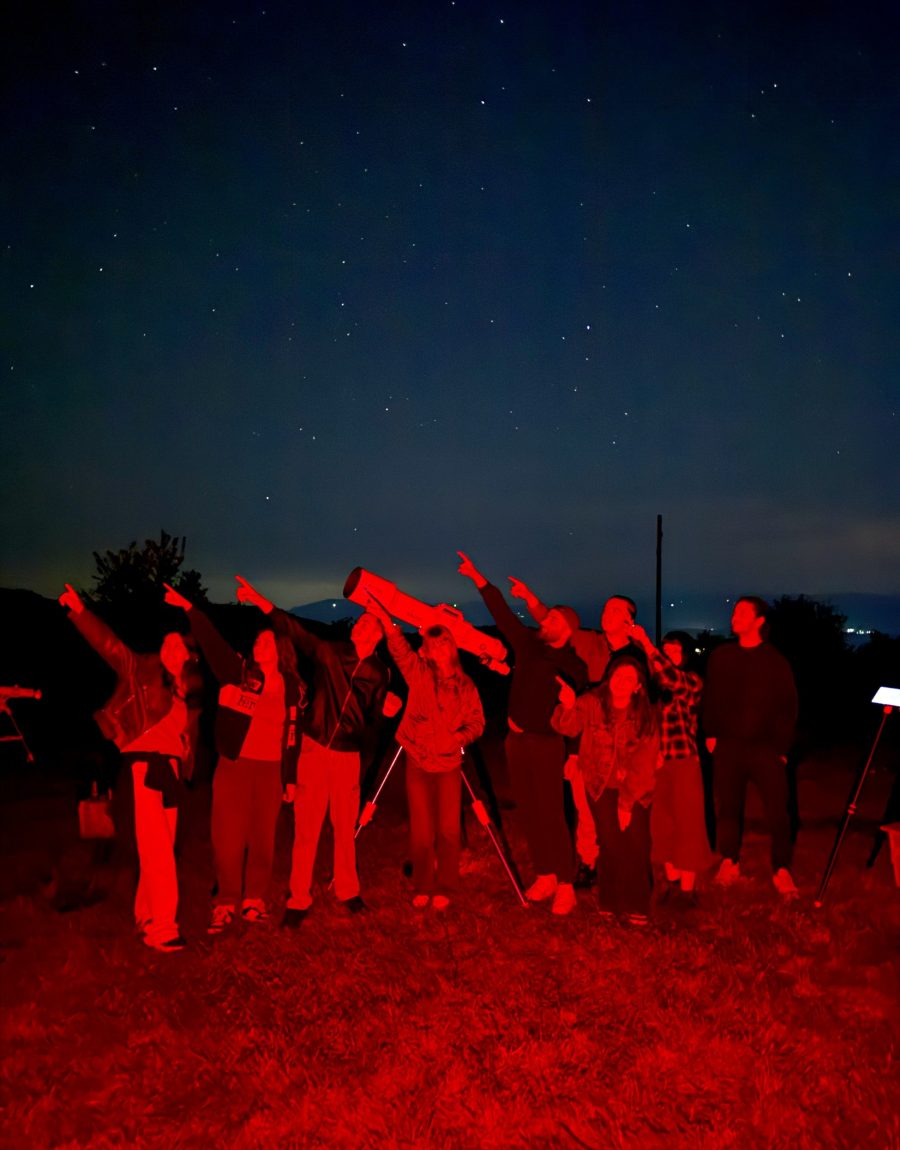
We run this as a scheduled special rather than a standing nightly offering, timed to the two showers that actually produce reliable rates from our latitude: the Perseids in mid-August and the Geminids in mid-December, both of which we cross-reference against that year’s new moon date so the watch always falls on the darkest night closest to the shower’s peak.
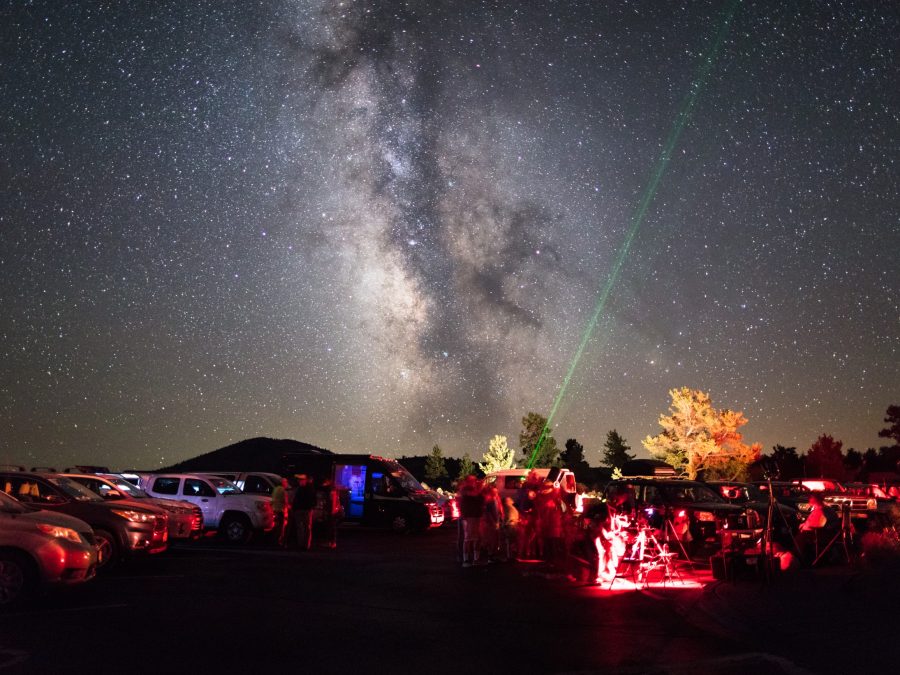
The format is deliberately unstructured compared to our guided stargazing session — no telescopes, no scripted tour of the night sky, just reclining loungers spaced out across the lawn, thermal blankets, and four hours of open sky. A guide stays on the lawn the whole time for safety and questions, but the activity itself is just watching. We hand out a simple paper tally sheet at check-in; most groups turn it into a quiet, informal competition by midnight.
Because the whole point is a wide, unobstructed view and total dark adaptation, we ask guests to leave phones in cabins or in airplane mode with the screen off — one bright screen on the lawn costs everyone nearby their night vision, not just the person holding it.