One of our night guides walked us through what an actual combined-night shift looks like, start to finish, and we’re publishing it close to how she told it because it’s a more honest picture of the job than a marketing description would be.
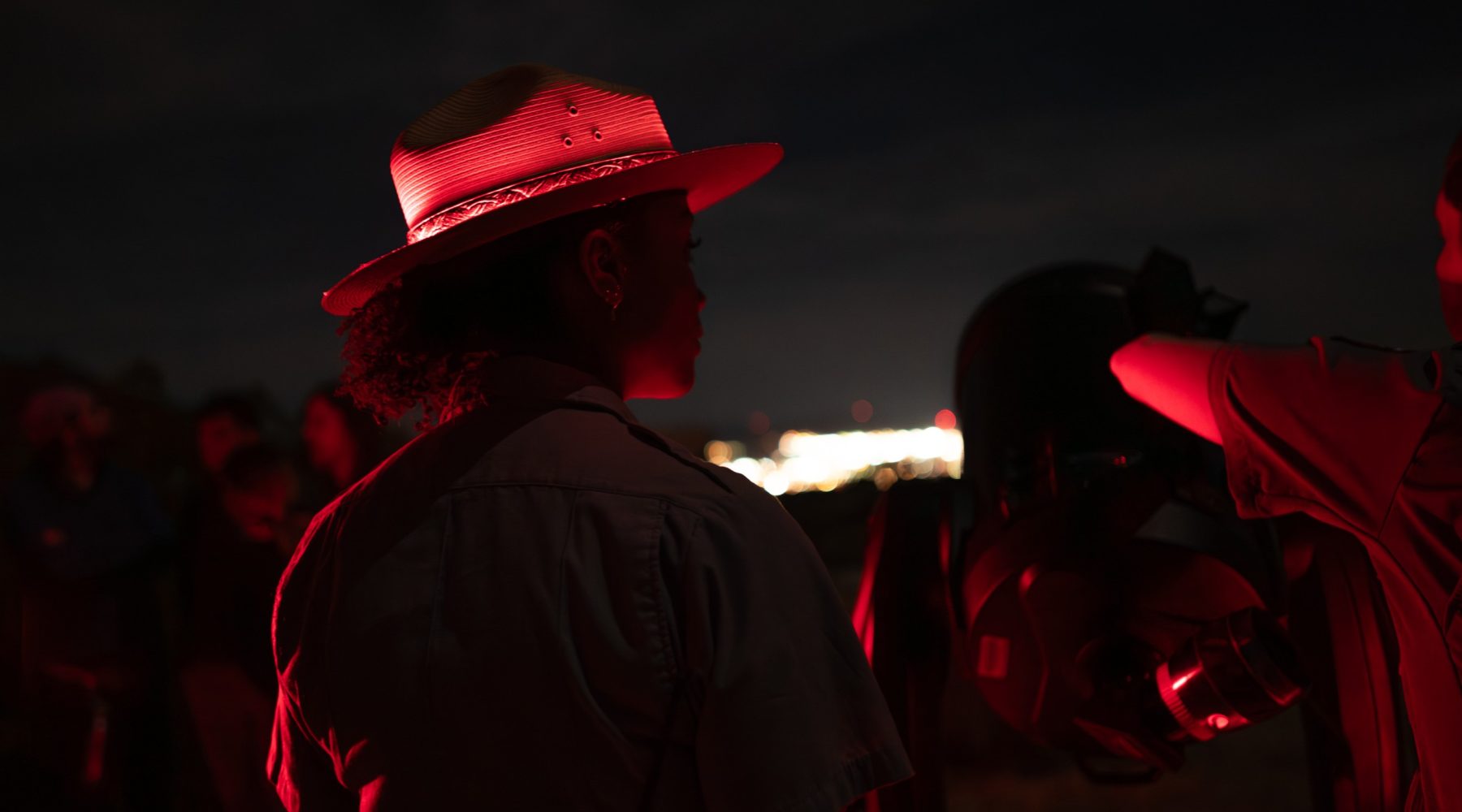
“Shift starts around 6, before the first dinner seating goes up to the roof terrace. I do a gear check on the kayaks and the two lawn telescopes before anything else — batteries on the red headlamps, tire pressure on the kayak trailer, collimation check on the Dobsonian if it’s been more than a few days. Sunset dinner runs its own timing depending on the season; my job during that part is mostly staying out of the way and doing the last checks on the lawn setup.
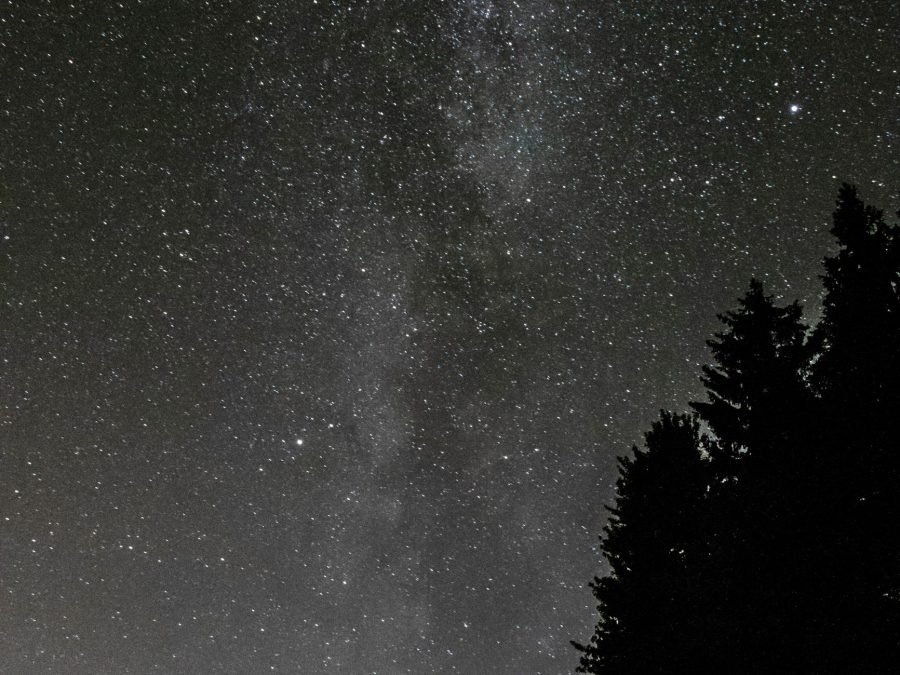
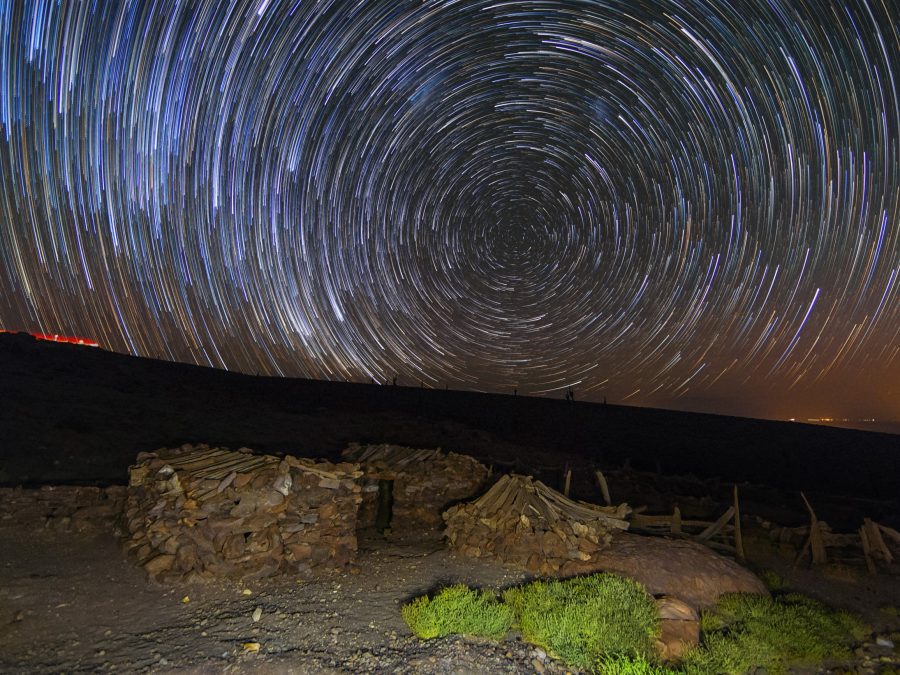
Once it’s properly dark we move the stargazing group up. I run through what’s actually up that night — I keep a running note on my phone, screen brightness all the way down and red-filtered, of what’s visible and roughly where, updated a few times a week as things shift. Ninety minutes on the lawn, then straight down to the dock for the paddle if it’s a combined-night group.
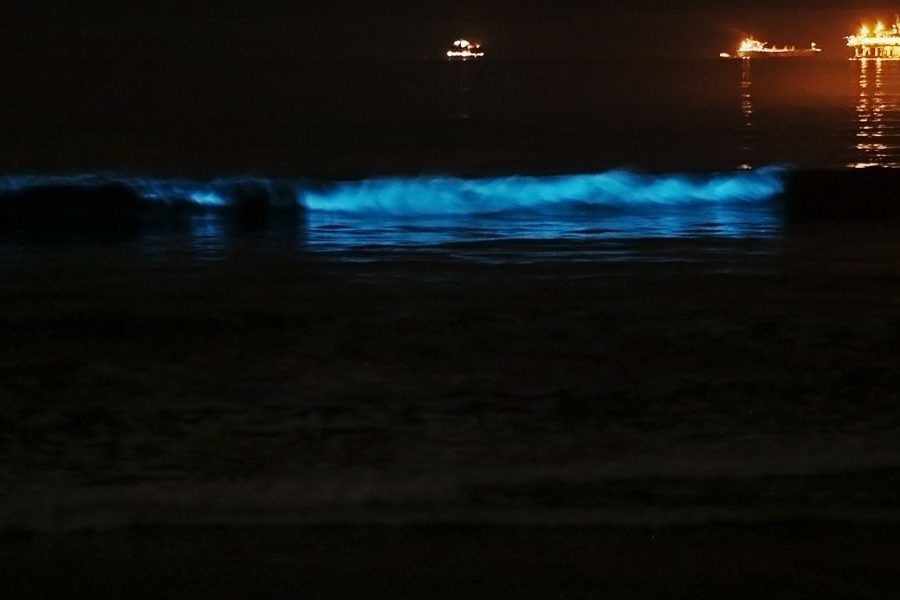
The water at night is the part that still gets me, honestly, after three seasons doing this. You’re paddling in the dark, mostly by feel, and then someone in the group trails a hand and gasps, and for a second even though I’ve seen it hundreds of times I still turn to look. We’re back at the dock a little after midnight most nights, gear stowed, and I do a headcount against the sign-out sheet before anyone heads up to their cabin. It’s a long shift, six-plus hours on your feet or in a boat, but it’s not a job I get tired of the way I expected to.”